
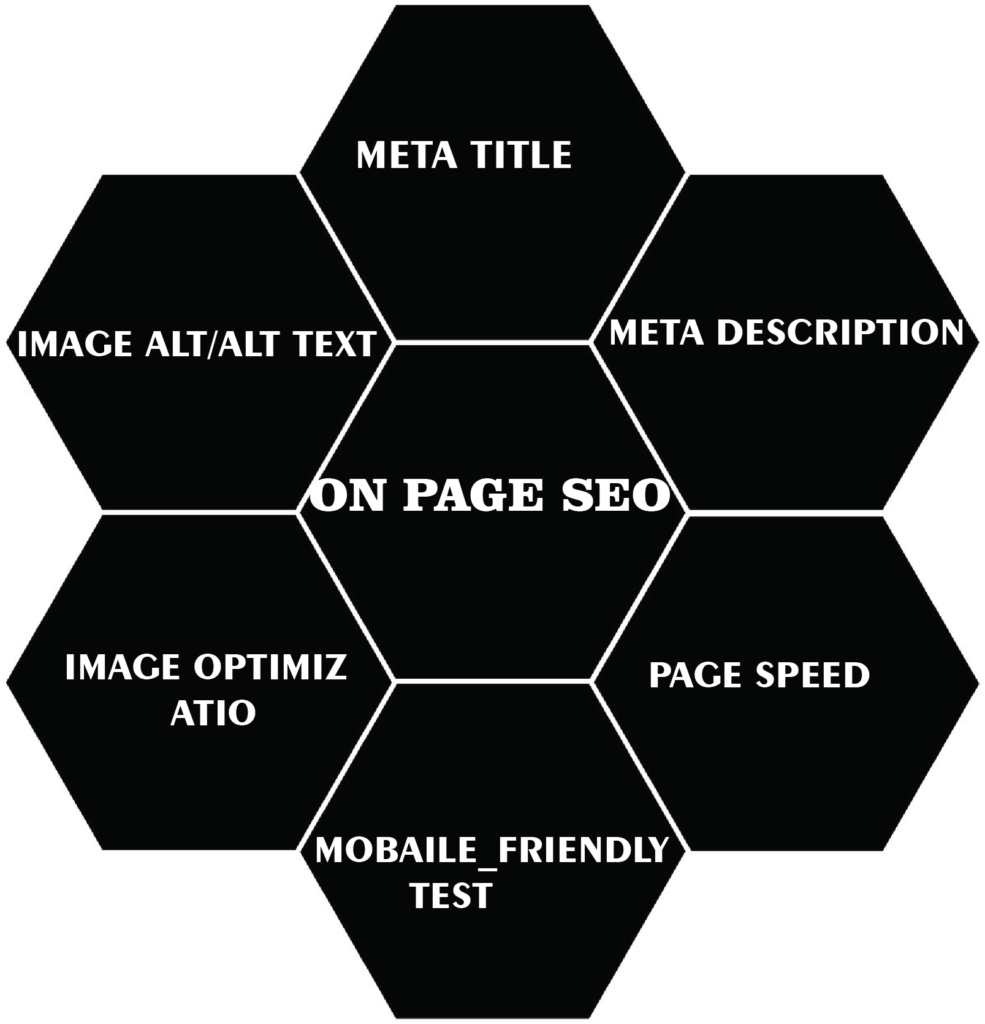
- META TITLE
A Meta Title, also called a title tag, is one of the most important elements in on-page SEO and website optimization. It is an HTML element that represents the title of a webpage and appears on search engine results pages, browser tabs, and social media previews. The Meta Title creates the first impression of your website for both users and search engines, helping to improve click-through rates (CTR) and search engine rankings. A professionally optimized Meta Title should be short, usually between 50–60 characters, and should contain main keywords related to your business or services while clearly describing the page content. Search engines like Google use Meta Titles to understand the purpose of your webpage and to index it properly for relevant search queries. In addition to improving SEO performance, a well-structured Meta Title enhances user experience by clearly informing visitors about your services, such asBEST GRAPHIC DESIGNER & DIGITAL MARKETER IN NILAMBUR, encouraging more clicks and conversions. Creating powerful Meta Titles by balancing keywords, branding, and attractive wording helps increase online visibility, attract targeted audiences, and build strong brand authority in digital search results. Over time, well-optimized Meta Titles help businesses grow their organic traffic and strengthen their online presence.
2. META DESCRIPTION
A Meta Description is a crucial element of on-page SEO that provides a concise summary of a webpage’s content. It is an HTML attribute that appears below the Meta Title in search engine results pages (SERPs) and helps users quickly understand what the page is about before clicking. A well-crafted Meta Description should be informative, persuasive, and typically between 150–160 characters to ensure it displays fully in search results. While Meta Descriptions do not directly impact search engine rankings, they significantly influence click-through rates (CTR) by giving users a clear, compelling reason to visit your site. Search engines like Google use Meta Descriptions as a snippet to indicate the relevance of your page to user queries. An effective Meta Description naturally incorporates relevant keywords, highlights the main services or benefits, and includes a strong call-to-action. For example, showcasing expertise such as can immediately communicate credibility and attract the right audience. High-quality Meta Descriptions enhance user engagement, drive targeted traffic, and strengthen overall SEO performance. For businesses, consistently optimized Meta Descriptions help build brand visibility, communicate value propositions effectively, and reach customers actively searching for specific services. Over time, they contribute to increased organic traffic, better conversions, and a stronger digital presence, establishing your business as a trusted authority in its field.
3.PAGE SPEED
Page Speed refers to the amount of time it takes for a webpage to fully load and display all its content to users. It is a very important factor in website performance, user experience, and search engine optimization (SEO). Fast-loading websites help visitors access information quickly, reduce bounce rates, and improve user engagement, while slow-loading websites can cause users to leave the page and may result in loss of potential customers. Page Speed is influenced by several factors such as server response time, image optimization, code structure, browser caching, and the use of Content Delivery Networks (CDNs). Search engines like Google consider Page Speed as an important ranking factor, meaning faster websites have better chances of appearing higher in search results. Optimizing Page Speed includes techniques such as compressing images, reducing CSS and JavaScript file sizes, using efficient hosting services, and enabling browser caching for better performance. A fast and well-optimized website not only improves SEO but also provides better mobile accessibility and smooth browsing experiences for users. For businesses, improving Page Speed helps attract more visitors and supports branding efforts, especially for services like BEST GRAPHIC DESIGNER & DIGITAL MARKETER IN NILAMBUR, by increasing customer trust and online visibility. Over time, maintaining good Page Speed helps improve organic traffic, boost conversions, and strengthen overall digital marketing performance.
4. MOBAIL-FRENDLY TEST
Mobile-Friendly Test is a method used to check how well a website performs and appears on mobile devices such as smartphones and tablets. It ensures that a website is responsive, easy to navigate, and provides a smooth browsing experience for mobile users. With the increasing number of people accessing websites through mobile devices, search engines give priority to mobile-optimized websites when displaying search results. A successful Mobile-Friendly Test confirms that text is readable without zooming, buttons and links are easy to click using touch screens, images load properly, and page layouts automatically adjust to different screen sizes. Factors like responsive web design, fast loading speed, optimized images, and proper viewport settings play a major role in making a website mobile-friendly. Search engines like Google use mobile-friendliness as an important ranking factor, helping websites with good mobile performance achieve better visibility in search results. For businesses, having a mobile-friendly website improves user experience, increases customer satisfaction, and helps attract more potential clients, especially for service-based businesses like Maintaining a mobile-optimized website helps improve engagement, reduce bounce rates, and strengthen overall digital marketing performance, leading to better brand recognition and online growth over time.
5.IMAGE OPTIMIZATON
Image Optimization is the process of improving images used on a website by reducing their file size while maintaining good visual quality to enhance website performance and user experience. It is an essential part of search engine optimization (SEO) and digital marketing because unoptimized images can slow down webpage loading speed, which may negatively affect user engagement and search engine rankings. Image optimization involves several techniques such as compressing image files, selecting the right image formats like JPEG for photographs and PNG or WebP for graphics, resizing images according to website layout, and using descriptive alt text for better SEO and accessibility. Alt text helps search engines understand the image content and improves website accessibility for visually impaired users. Search engines like Google prefer websites that load quickly, making image optimization an important ranking factor. For businesses, especially service providers likeBEST GRAPHIC DESIGNER & DIGITAL MARKETER IN NILAMBUR, optimized images help create attractive web pages, improve customer experience, and strengthen brand professionalism. Proper image optimization also ensures better performance on mobile devices and different screen resolutions. Over time, maintaining optimized images helps increase website traffic, improve conversion rates, and support long-term digital marketing success.
6. IMAGE ALT/ALT TEXT
Image Alt Text is an important part of website optimization and search engine optimization (SEO) that provides a text-based description of an image. It helps search engines understand what the image represents and improves the chances of the image appearing in search engine results. Alt text is also very important for website accessibility because screen readers use it to describe images to visually impaired users, helping them understand the content of the webpage. Writing good alt text requires being clear, descriptive, and relevant to the image content while naturally including important keywords. It should be short but meaningful, avoiding unnecessary keyword stuffing. Search engines like Google use alt text to index images properly, which can help improve website visibility and organic traffic. For businesses offering services such as , using proper alt text helps improve website professionalism, user experience, and SEO performance. Alt text also helps when images fail to load due to slow internet connections, as the text description will still appear in place of the image. Over time, using optimized alt text helps improve search rankings, increase engagement, and build a stronger online presence.
INCLUDED
Image Alt Text is an important part of website optimization and search engine optimization (SEO) that provides a text-based description of images used on a webpage. It helps search engines understand the content of images and improves website indexing and visibility in search results. Including alt text is very useful for improving accessibility because it allows screen readers to describe images to visually impaired users, helping them understand the webpage content more easily. When writing alt text, it is important to include relevant keywords naturally while clearly explaining what the image shows, without using unnecessary keyword stuffing. For example, businesses promoting services like BEST GRAPHIC DESIGNER & DIGITAL MARKETER IN NILAMBUR can include relevant service-related keywords in image alt text to improve local SEO performance and attract targeted customers. Alt text also serves as a backup description when images fail to load due to slow internet connections or browser issues, ensuring that users can still understand the purpose of the image. Search engines like Google use alt text as a ranking signal, helping websites achieve better visibility in image search results and web search rankings. Properly optimized alt text improves user experience, increases website traffic, and supports overall digital marketing performance. Over time, consistently using included and well-structured alt text helps build a more professional, accessible, and SEO-friendly website presence.
CANCLUTION
In conclusion, optimizing a website for performance, accessibility, and search engine visibility is no longer optional—it is a necessity for businesses that want to succeed in the digital world. Every element, from Meta Titles and Meta Descriptions to Page Speed, Mobile-Friendliness, Image Optimization, and Alt Text, plays a critical role in shaping how users interact with a website and how search engines rank it. A well-optimized website not only improves search engine rankings but also enhances user experience, reduces bounce rates, and increases engagement, leading to higher conversions and stronger brand credibility. For businesses, particularly service providers like implementing these optimization strategies ensures that their website is fast, visually appealing, mobile-ready, and fully accessible to all users. Over time, consistent attention to website optimization builds a robust online presence, attracts targeted audiences, and maximizes the return on digital marketing efforts. By combining technical SEO practices with high-quality content, responsive design, and effective image and alt text optimization, businesses can create websites that are not only search-engine-friendly but also user-centric, professional, and capable of standing out in today’s competitive online landscape. Ultimately, investing in comprehensive website optimization is an investment in long-term growth, visibility, and success in the digital marketplace.